Wetsuits & clothing
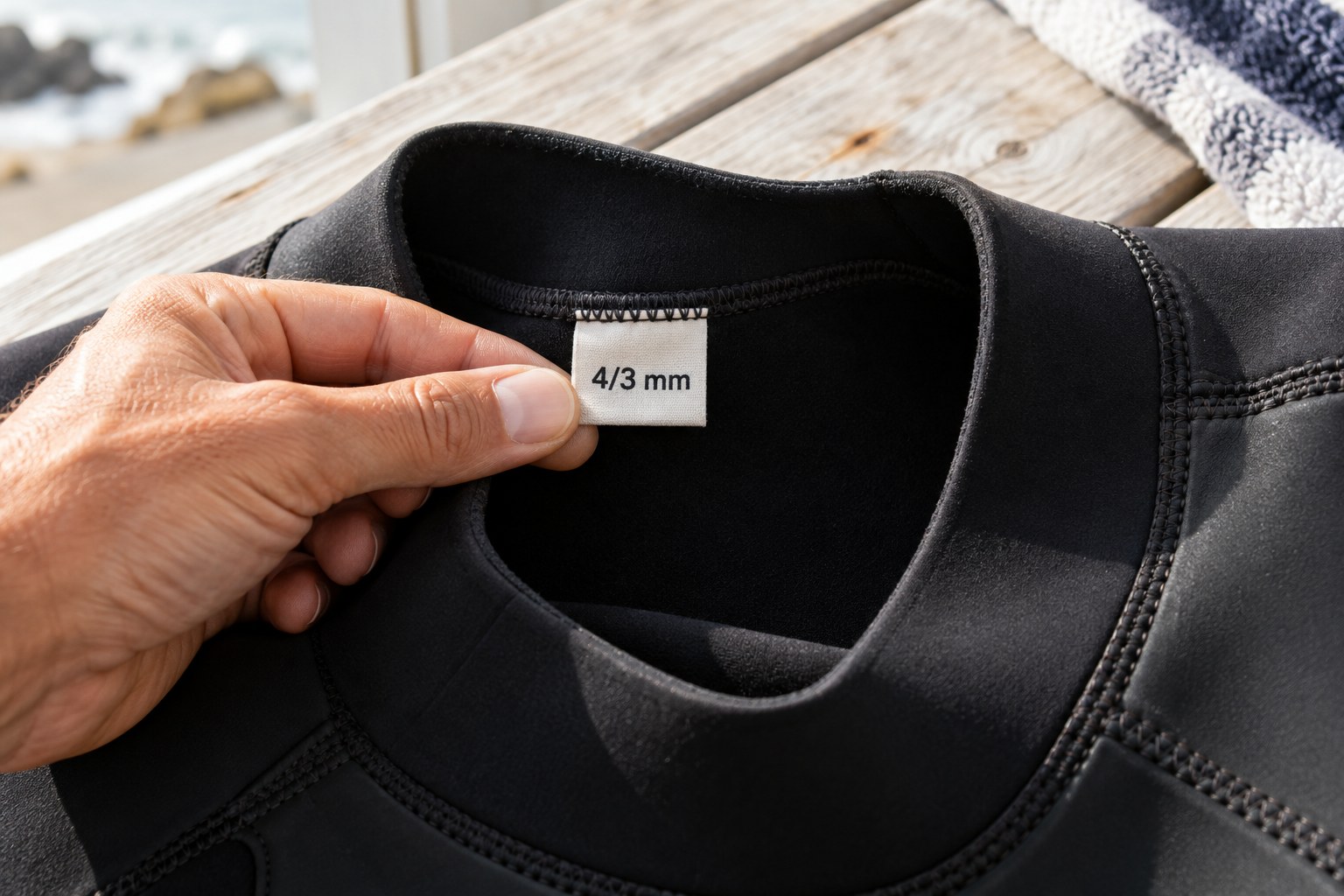
Read a wetsuit thickness label before comparing suits
Those slash-separated numbers describe material thickness, not a complete verdict on warmth. Read them alongside the suit's construction, fit and intended conditions.
Explore the journal
Wetsuit construction, fit, changing layers and clothing for time at the coast.
Wetsuits & clothing
Those slash-separated numbers describe material thickness, not a complete verdict on warmth. Read them alongside the suit's construction, fit and intended conditions.
Wetsuits & clothing
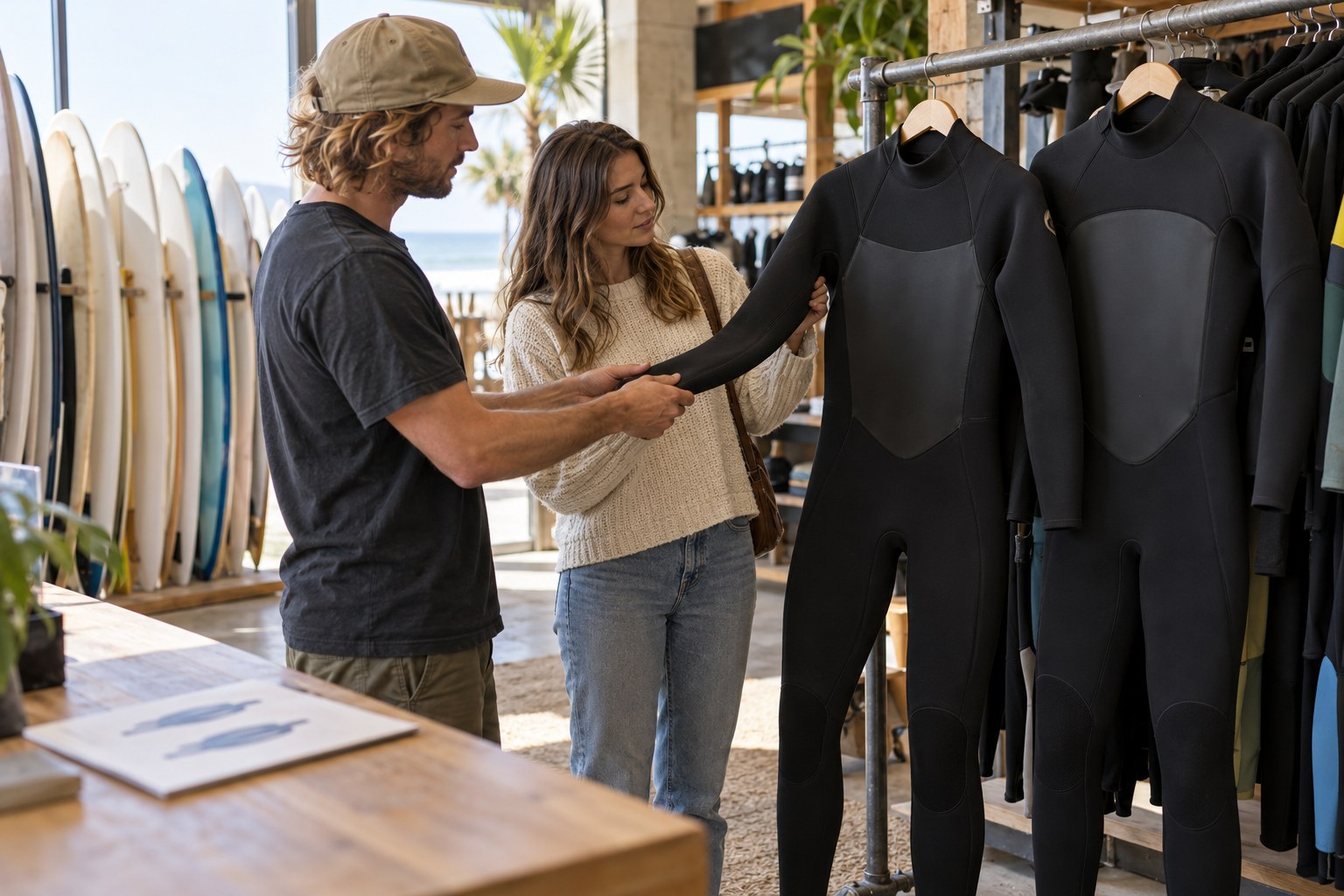
Bring the destination, season and session plan to a local shop, then compare its advice with the manufacturer guidance for the actual suit.
Wetsuits & clothing
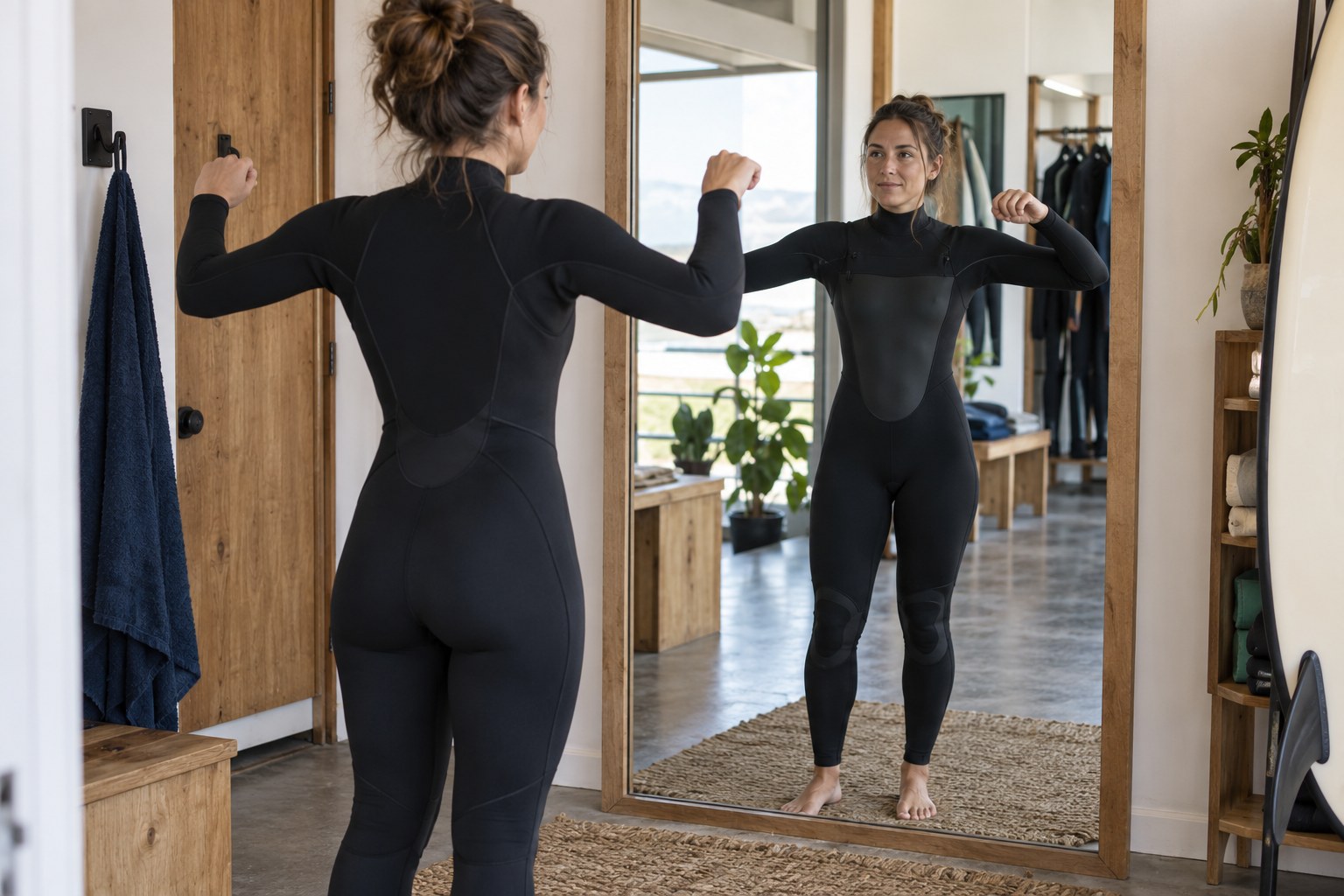
Measure for the maker's chart, then assess the complete garment in motion. Your usual shirt or trouser size is only a familiar label.
Wetsuits & clothing
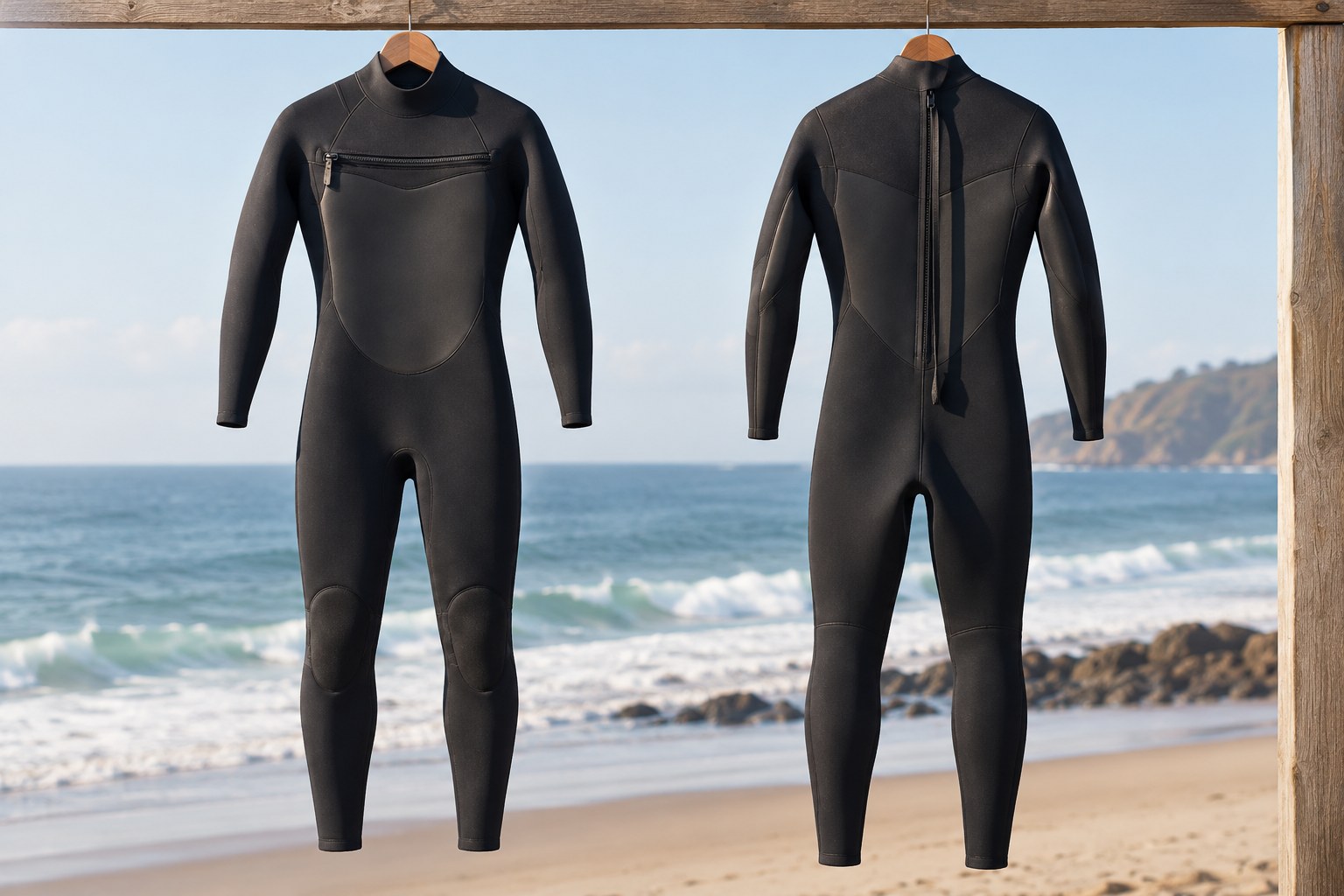
Compare the actual opening, your reach and the ease of getting in and out. Zip location alone cannot decide which suit will fit you better.
Wetsuits & clothing
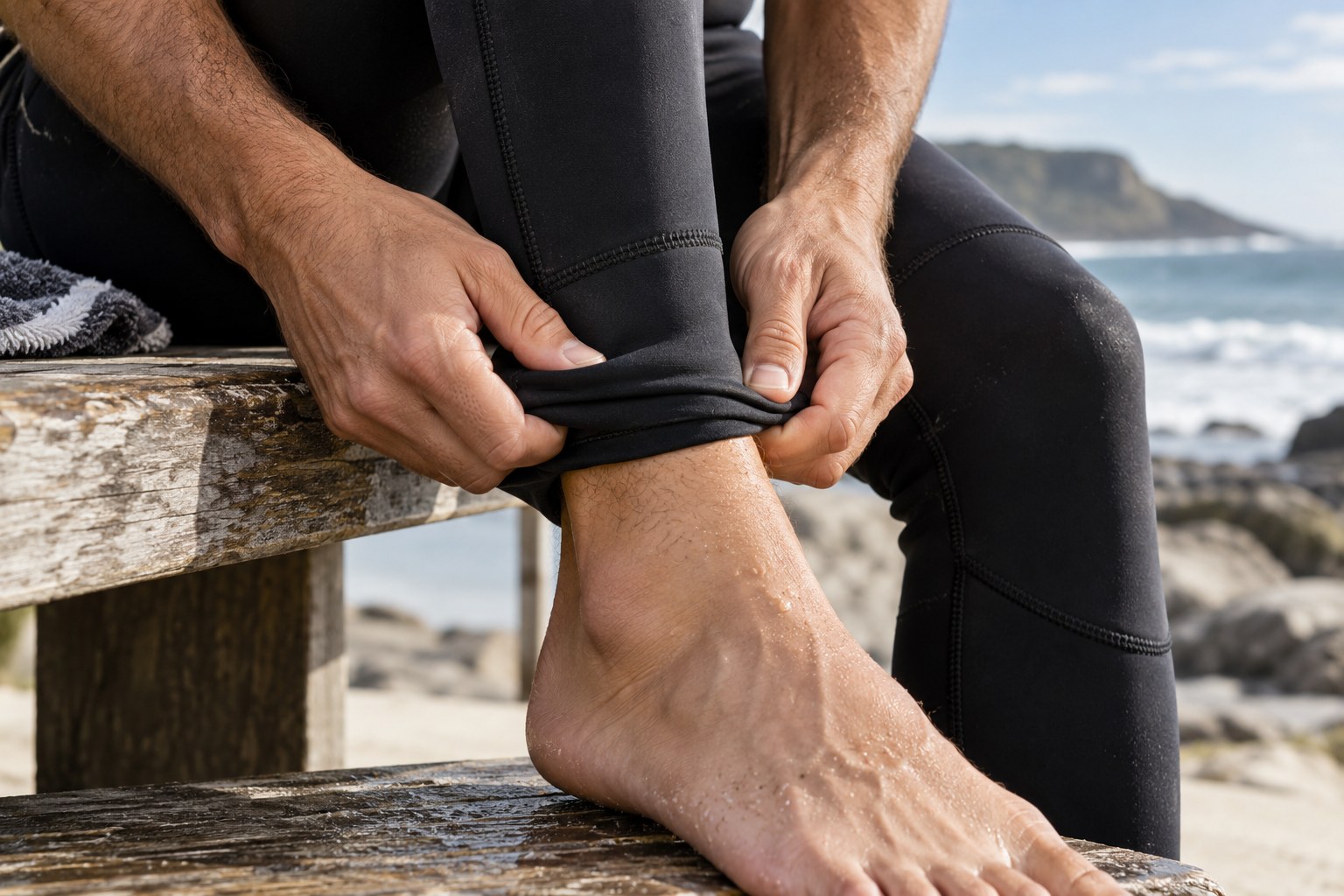
A careful try-on begins with the entry instructions and enough time. Position the suit gradually instead of dragging it into place from the collar.
Wetsuits & clothing
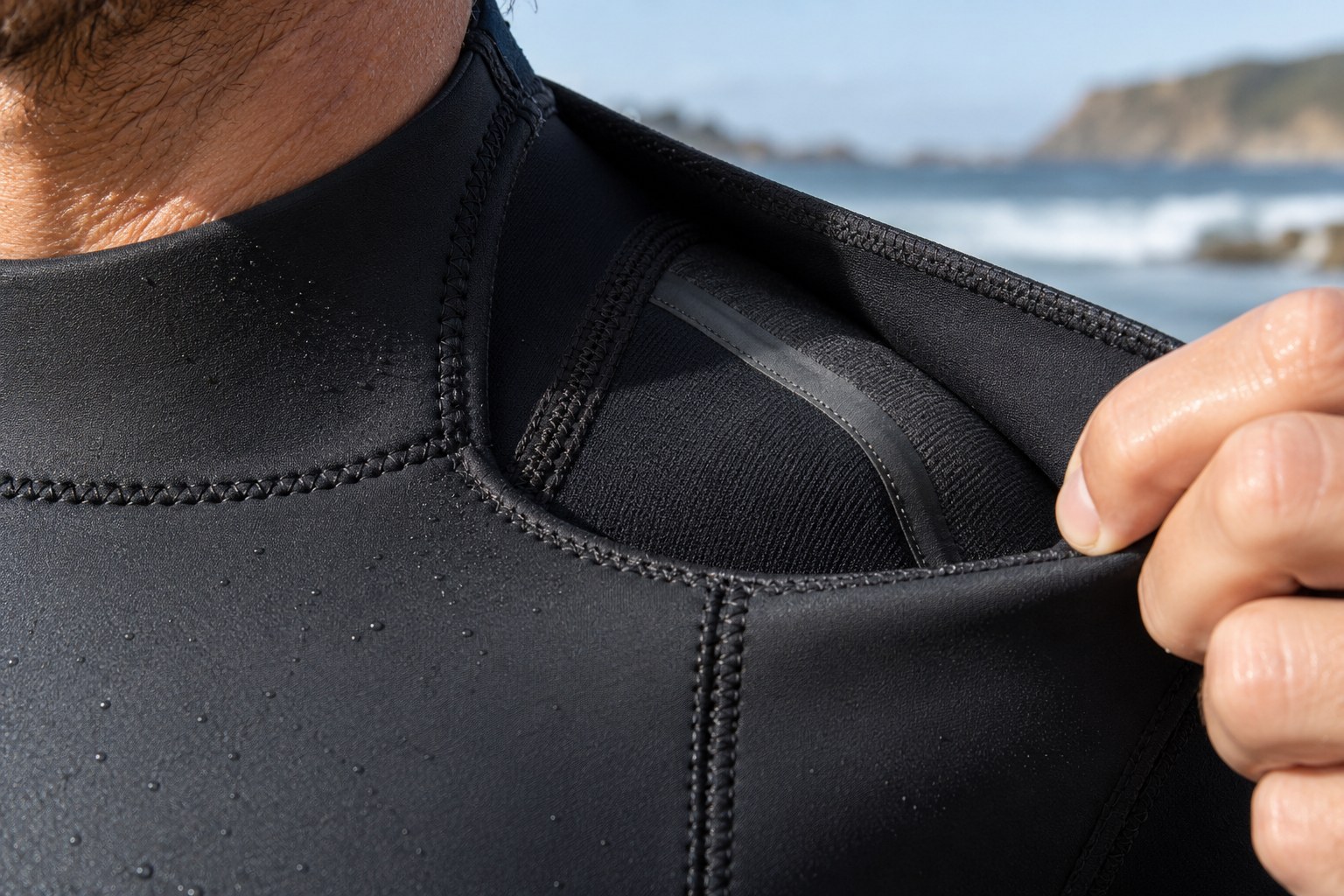
Seam terms describe how panels are joined or sealed. Read the full construction description instead of using a single acronym as a quality score.
Wetsuits & clothing
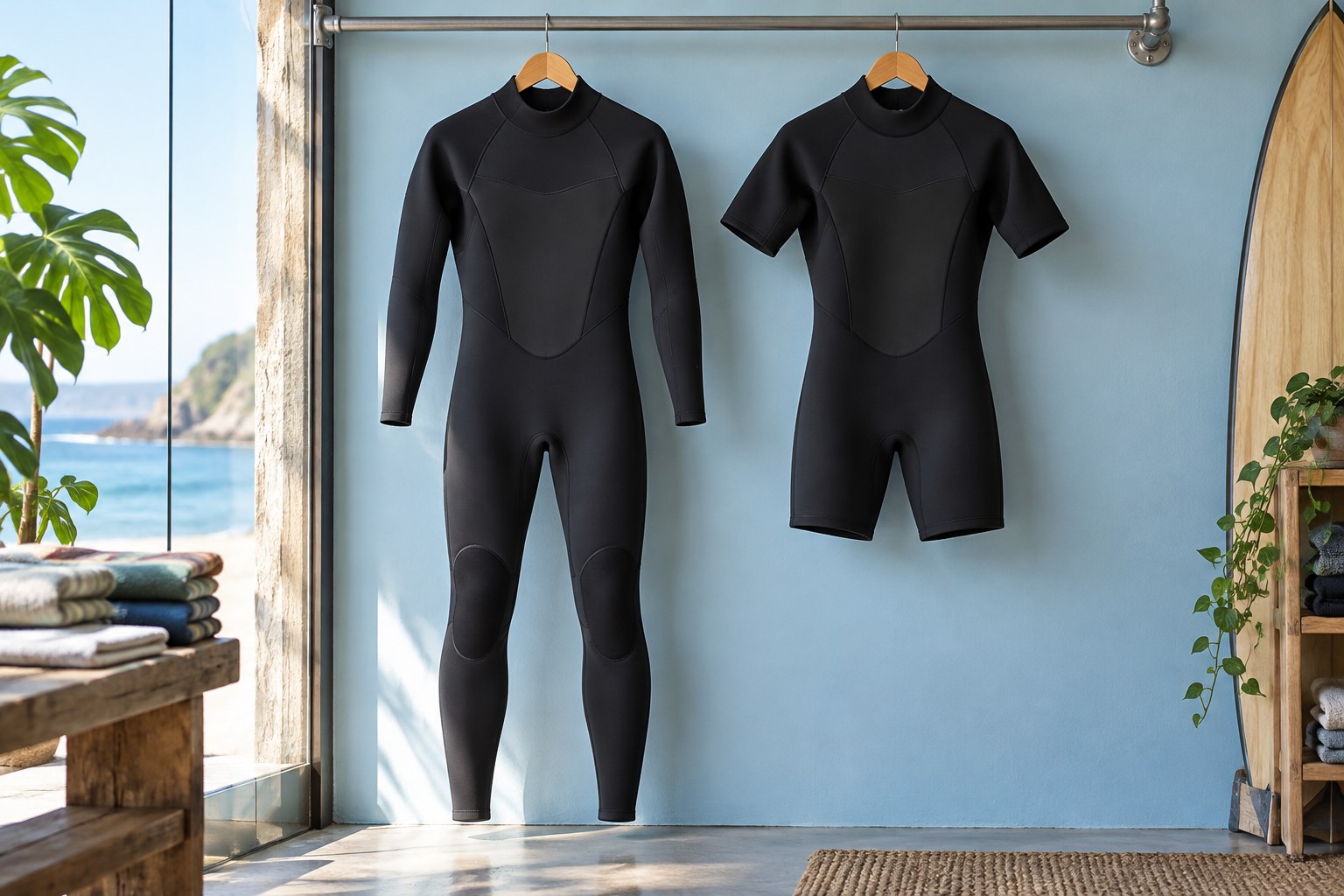
Compare the sleeve and leg coverage first, then the model's thickness and intended use. A seasonal name is not a temperature recommendation.
Wetsuits & clothing
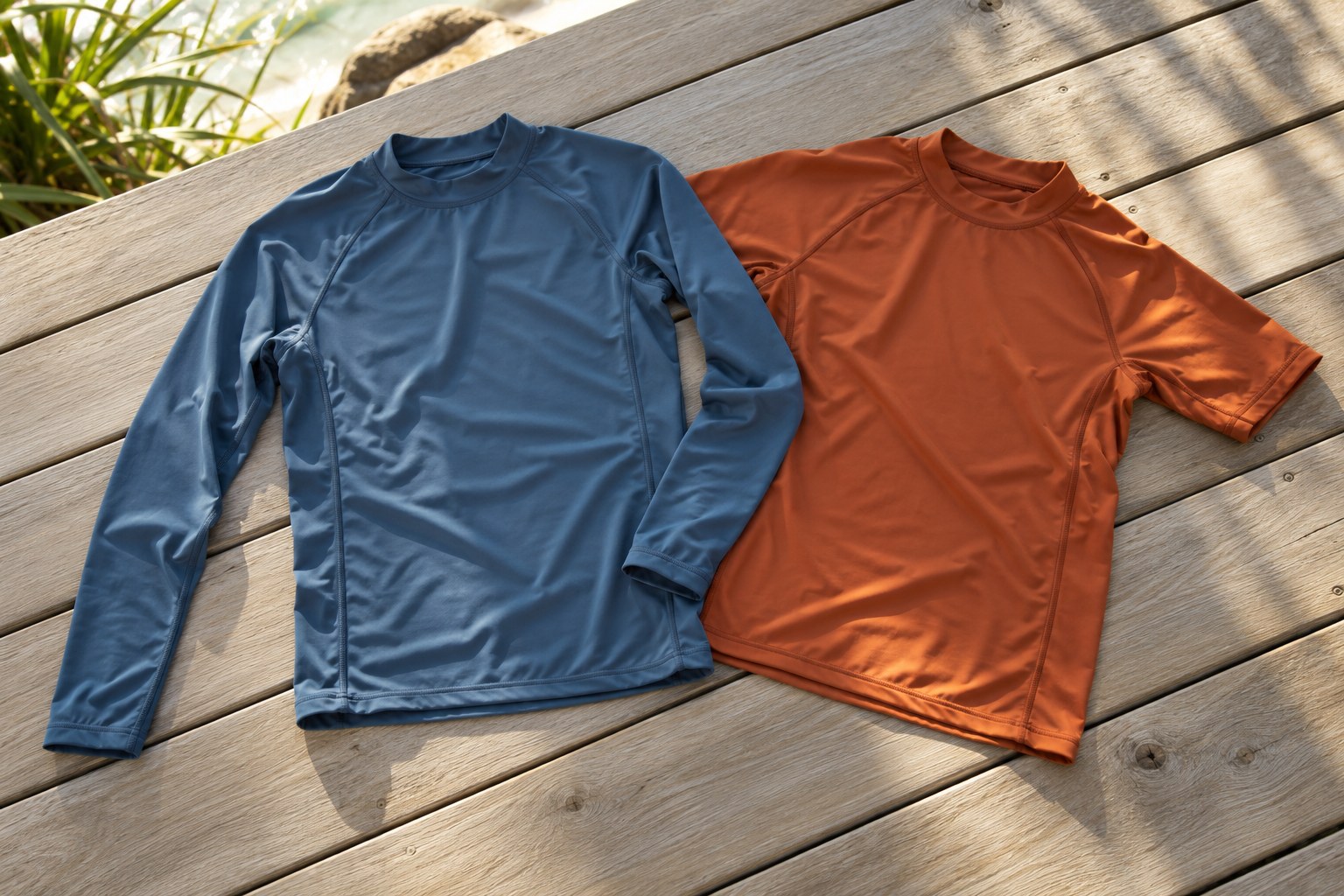
Sleeve length changes coverage and the feel of a surf top. Compare the fabric, fit and stated purpose as well as the outline.